

Fall Guy
How you linger even when you leave.

There comes a point in adulthood when you realize that most friendships are performance art. Elaborate, unspoken exchanges of ego and expectation. We play our parts, we trade our lines, we applaud at the right moments. And then one day, you look around, and the stage is empty.
No one tells you that friendship, like youth, is finite. That the people you once knew, really knew, would one day become strangers who share your history but not your heart. Maybe it’s motherhood that does it, or maybe it’s simply growing up. My days now are marked by smaller things: my child’s laugh, the ritual of making breakfast, the brief reprieve of silence after bedtime. Somewhere along the line, the loud, glittering chaos of my twenties dimmed. The group texts fell silent. The dinners, the gossip, the constant need for belonging, it all receded like a tide.
I used to need the validation of a crowd. The large, glossy circle of friends that made everything feel cinematic. But I’ve learned that the noise of too many people drowns out the truth of who you are. Motherhood, or maybe just time, has a way of stripping you bare. You start seeing who shows up when you’re not shining, who speaks of you not to you. When you’re tired, or complicated, or no longer the version of yourself that served their story.
I was always the fall guy, the one who could take the heat. The friend who absorbed the chaos so everyone else could stay clean. Because I could “handle it,” whatever that meant. There’s a certain power in being the one everyone assumes is unbreakable, until one day you decide you’re done performing strength for people who never earned it.
In recent months, the strangest thing has happened. Out of nowhere, years in some cases months, after the last drink, the last party, the last shared secret, I’ve received messages. Some blunt, some cloaked in civility and some even subliminally. Unkindness masquerading as curiosity. “I say this as a friend.” “You’ve changed.” “We miss the old you.” That’s the thing about people, they want you to evolve, but only in ways that keep them comfortable.
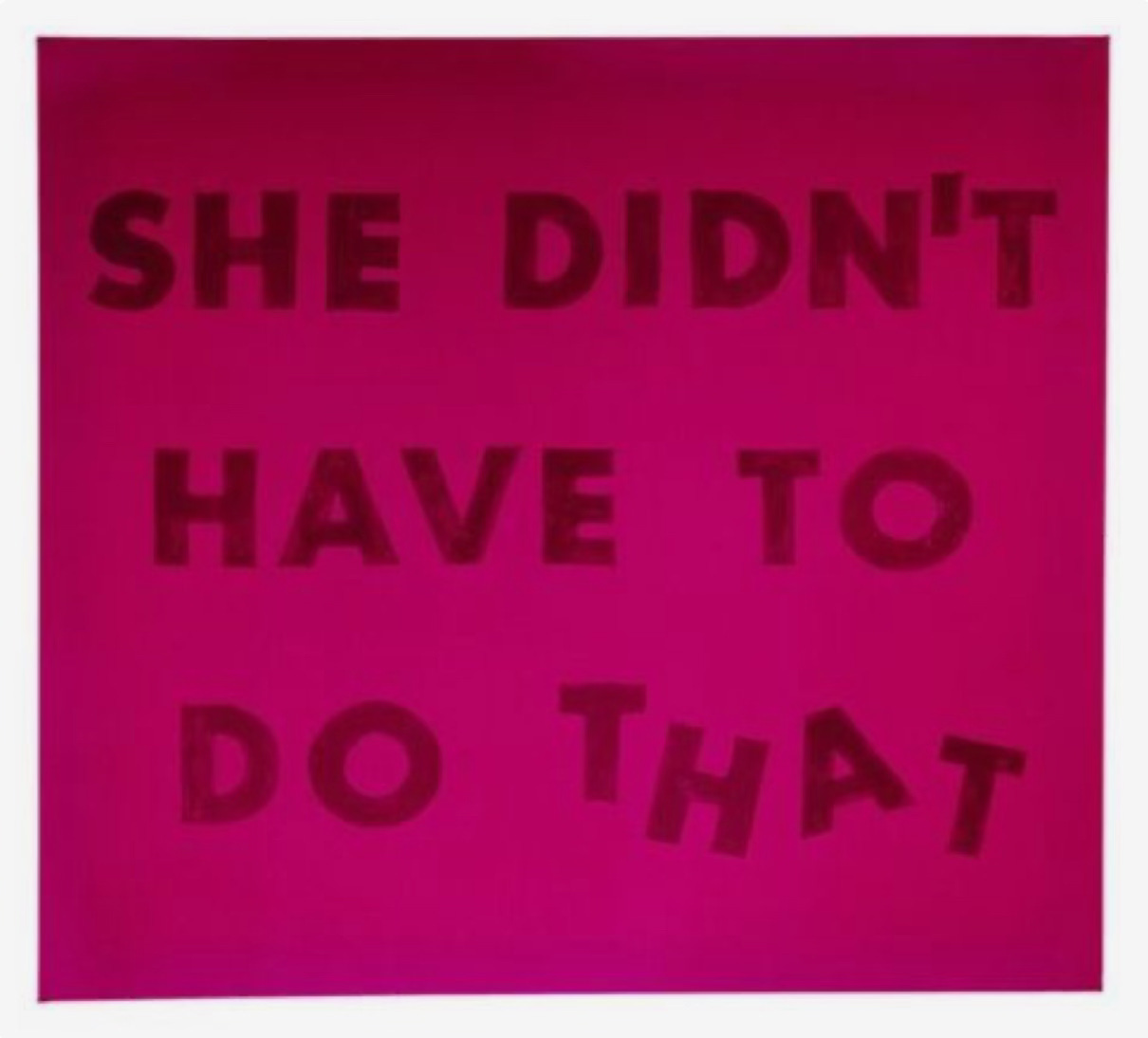
And then there’s the digital cruelty, the kind that arrives quietly but cuts just the same. The subtweets, the passive-aggressive comments, the small, mean performances staged for an invisible audience. It’s an odd thing, being on the receiving end of cyberbullying as an adult. You almost have to laugh at the absurdity of it. The way some people never graduate from the emotional dynamics of high school. It’s less about you and more about their own arrested development, their inability to evolve past pettiness, to exist without conflict. You realize it’s not personal, it’s pathology. And yet, there’s something surreal about being reduced to a caricature in someone else’s digital drama, knowing you live rent free in a mind that means nothing to you.
It’s disorienting, this mix of hostility and nostalgia. You stop returning texts, you pull back, you create space. And in that silence, they fill in the blanks with their own projections. They make you the villain because it’s easier than facing their own irrelevance. Maybe you just accept that you’ve outgrown them, noticing that they continue to linger in your absence while you’ve long since moved on.
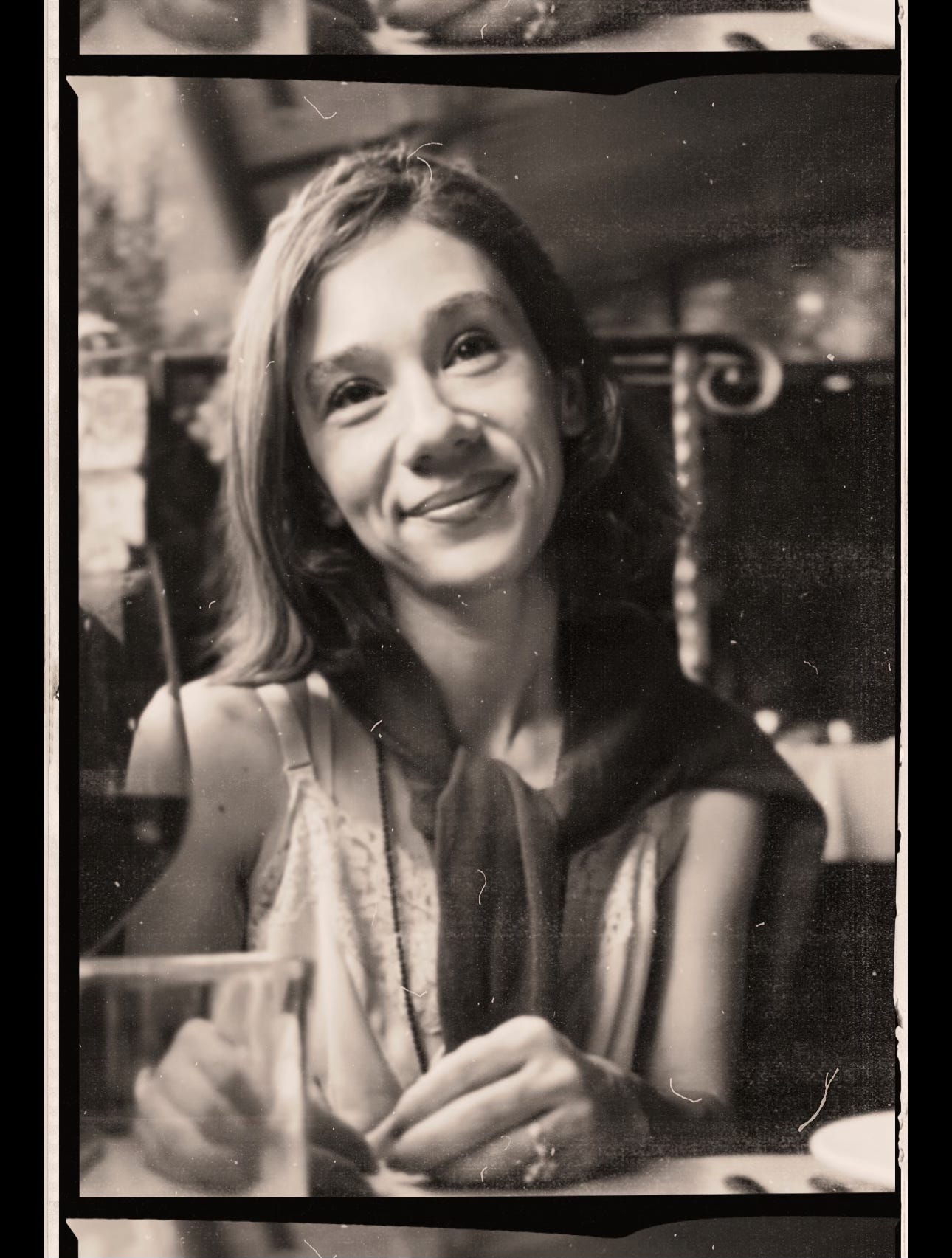
But the strange thing about pulling back is that it makes what remains feel sacred. My circle is smaller now, almost shockingly so, and I like it that way. The friendships that survived, the ones that breathe in the silences, that don’t need performance or proof, feel almost holy in their simplicity. There’s no competition, no scoreboard, no unspoken tally of favors owed. Just mutual understanding, gentle honesty, and the rare, unhurried joy of being seen. Keeping my circle small has taught me to treat connection like something precious, not plentiful. To cherish the few who truly know me, rather than scatter myself among the many who never did.
The truth is, I don’t care the way I used to. Not in the cruel, detached way of the young and disaffected, but in the peaceful way of someone who has learned that not all losses are tragedies. Some are necessary evolutions.
What they don’t tell you is that peace can look like loneliness. That pulling away from what no longer serves you can feel like abandonment, even when it’s survival. That adulthood isn’t about having more, it’s about needing less.
And maybe that’s what growing up really is: realizing that the version of you who once needed a crowd has finally learned to be still in an empty room.
LOVE ❤️🥰
Beautiful Annie